Essential Digital Marketing Management Platforms Every Business Needs in July 2025: The Complete Guide to Brit Marketing Solutions
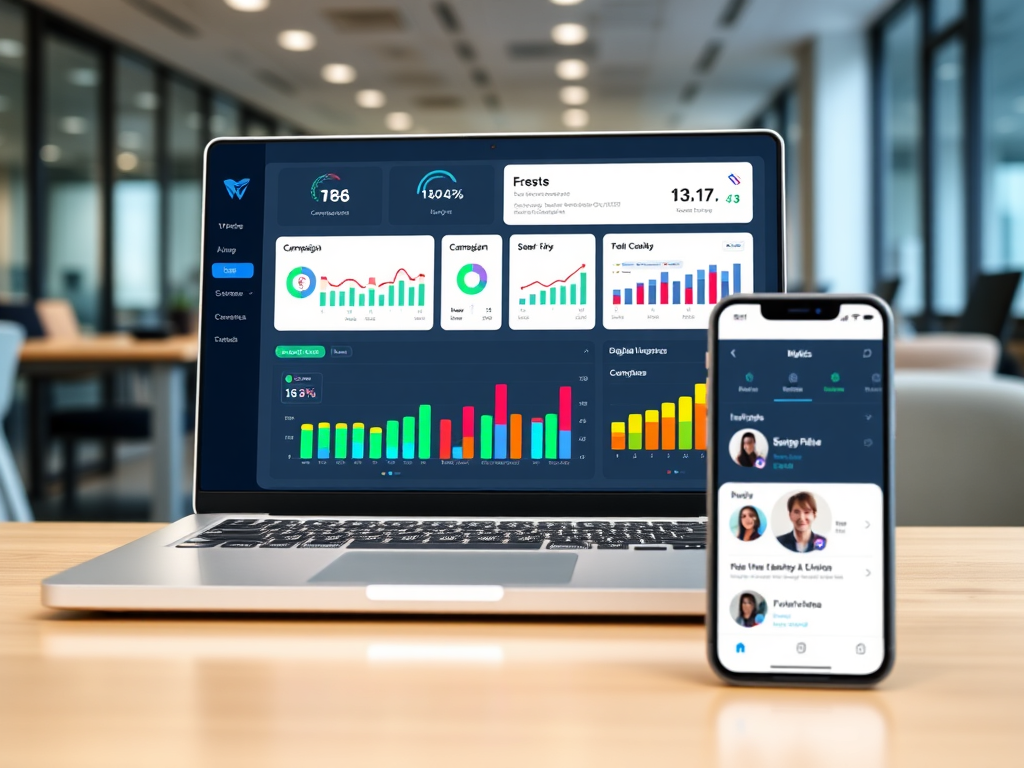
Master the art of digital marketing with cutting-edge management platforms that transform your business growth. Discover how Brit Marketing revolutionizes campaign automation, analytics, and ROI tracking in July 2025’s competitive landscape. From AI-powered insights to seamless integration capabilities, learn which platforms deliver exceptional results for UK businesses and beyond.
Why Smart Businesses Choose Advanced Digital Marketing Management Platforms: Brit Marketing’s Game-Changing Approach for July 2025
Unlock unprecedented marketing success with comprehensive platform solutions designed for modern enterprises. Explore how Brit Marketing’s innovative tools streamline workflows, enhance customer engagement, and maximize conversion rates in July 2025. Get expert insights on platform selection, implementation strategies, and performance optimization techniques that drive measurable business outcomes.
Transform Your Marketing Strategy: Top Digital Marketing Management Platforms Featuring Brit Marketing Technology in July 2025
Navigate the evolving digital landscape with powerful management platforms that deliver results. Learn how Brit Marketing’s advanced features empower businesses to create, manage, and optimize campaigns across multiple channels in July 2025. From small startups to enterprise corporations, discover the perfect platform solution for your unique marketing needs and budget requirements.
The Future of Digital Marketing Management Platforms: How Brit Marketing Leads Innovation in July 2025
Experience next-generation marketing capabilities with platforms that redefine industry standards. Uncover Brit Marketing’s breakthrough technologies that automate complex tasks, provide real-time analytics, and enhance team collaboration in July 2025. Join thousands of successful businesses leveraging these powerful tools to achieve sustainable growth and competitive advantage in today’s digital economy.
Maximizing ROI with Digital Marketing Management Platforms: Brit Marketing’s Proven Strategies for Success in July 2025
Drive exceptional returns on your marketing investments using sophisticated platform technologies. Discover how Brit Marketing’s comprehensive suite of tools helps businesses optimize spending, track performance metrics, and scale operations efficiently in July 2025. Learn from real-world case studies and expert recommendations to select and implement the ideal platform for your organization’s growth objectives.
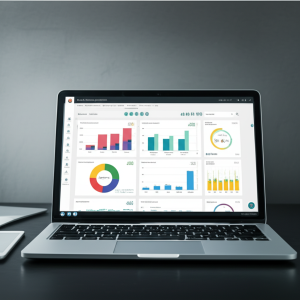
In today’s rapidly evolving digital landscape, businesses face unprecedented challenges in managing their online marketing efforts across multiple channels and platforms. A Digital Marketing Management Platform serves as the central command center that orchestrates campaigns, analyzes performance data, and streamlines marketing operations for maximum efficiency and ROI.
The complexity of modern digital marketing requires sophisticated tools that can handle everything from social media content creation to PPC services under one unified system. Leading marketing agencies like Brit Marketing understand that success depends on leveraging the right technology stack to deliver exceptional results for their clients.
What is a Digital Marketing Management Platform?
A Digital Marketing Management Platform is a comprehensive software solution that enables businesses to plan, execute, monitor, and optimize their digital marketing campaigns from a single dashboard. These platforms integrate various marketing channels including email, social media, search engines, display advertising, and content marketing into one cohesive system.
The platform serves as the backbone of modern marketing operations, providing teams with the tools needed to coordinate campaigns, track customer journeys, and measure performance across all touchpoints. By centralizing marketing activities, businesses can ensure consistent messaging and improved campaign effectiveness.
What are the core features of a Digital Marketing Management Platform?
The essential features include campaign management tools, customer relationship management (CRM) integration, analytics and reporting dashboards, automation workflows, content management systems, lead scoring capabilities, A/B testing functionality, and multi-channel publishing tools. These features work together to create a comprehensive marketing ecosystem that drives results.
Key Benefits of Implementing a Management Platform
The primary advantage of adopting a Digital Marketing Management Platform lies in its ability to provide a unified view of all marketing activities. This 360-degree perspective enables marketers to identify opportunities, eliminate redundancies, and optimize resource allocation across campaigns.
Efficiency gains are substantial when teams can access all necessary tools from one location. The platform eliminates the need to switch between multiple applications, reducing time spent on administrative tasks and allowing marketers to focus on strategic initiatives.
Cost reduction is another significant benefit, as businesses can consolidate their marketing technology stack and reduce subscription costs from multiple standalone tools. The improved ROI from better campaign coordination often justifies the platform investment within the first year.
Essential Features for Marketing Success
Modern Digital Marketing Management Platforms must include robust automation capabilities that can handle repetitive tasks such as email sequences, social media posting, and lead nurturing. These automated workflows ensure consistent communication with prospects and customers while freeing up valuable time for strategic planning.
Real-time analytics and reporting functionality provides marketers with immediate insights into campaign performance. The ability to track metrics across all channels simultaneously enables quick adjustments and optimization opportunities that can significantly impact results.
Integration capabilities are crucial for connecting with existing business systems such as CRM platforms, e-commerce solutions, and customer support tools. Seamless data flow between systems ensures accurate reporting and enables more personalized marketing approaches.
Choosing the Right Platform for Your Business
Selecting the appropriate Digital Marketing Management Platform requires careful consideration of your business size, industry requirements, and growth objectives. Small businesses may benefit from simpler solutions with essential features, while enterprise organizations need robust platforms with advanced customization options.
Budget considerations extend beyond the initial subscription cost to include implementation, training, and ongoing support expenses. Brit Marketing’s services include platform selection guidance to ensure clients invest in solutions that align with their specific needs and budget constraints.
Scalability is a critical factor, as your chosen platform should accommodate business growth without requiring complete system overhauls. The platform should easily handle increased data volumes, additional users, and expanded campaign complexity as your business evolves.
Implementation Strategies and Best Practices
Successful platform implementation begins with thorough planning and clear objective setting. Organizations should establish specific goals for what they want to achieve with the platform and create timelines for implementation phases.
Data migration is often the most challenging aspect of platform adoption, requiring careful planning to ensure historical data integrity and continuity. Clean, well-organized data is essential for accurate reporting and effective automation rules.
Training and change management play crucial roles in platform success. Teams need comprehensive training on new features and workflows, and organizations must be prepared to adjust processes to maximize platform benefits.
| Implementation Phase | Duration | Key Activities | Success Metrics |
|———————|———-|—————-|—————–|
| Planning & Setup | 2-4 weeks | Platform configuration, data mapping, integration setup | System accessibility, basic functionality testing |
| Data Migration | 1-3 weeks | Historical data transfer, data cleaning, validation | Data accuracy, completeness verification |
| Training & Testing | 2-3 weeks | User training, workflow testing, pilot campaigns | User adoption rate, workflow efficiency |
| Full Deployment | 1-2 weeks | Live campaign launch, monitoring, optimization | Campaign performance, user satisfaction |
Integration with Existing Marketing Tools
The most effective Digital Marketing Management Platforms seamlessly integrate with existing marketing tools and business systems. This integration capability ensures data consistency and eliminates silos that can hinder marketing effectiveness.
API connectivity allows platforms to communicate with third-party applications, enabling automated data synchronization and workflow triggers. This technical foundation supports more sophisticated marketing automation and personalization strategies.
Brit Marketing’s expertise in marketing technology integration ensures clients can leverage their existing investments while upgrading to more powerful management capabilities. Our team handles the technical complexities of integration, allowing businesses to focus on strategic marketing initiatives.
Measuring ROI and Performance Metrics
Quantifying the return on investment from a Digital Marketing Management Platform requires establishing baseline metrics before implementation and tracking improvements over time. Key performance indicators should align with business objectives and provide actionable insights.
Efficiency metrics such as time saved on campaign management, reduced manual tasks, and improved team productivity directly impact operational costs. These savings often represent significant value even before considering improved campaign performance.
Revenue attribution becomes more accurate with centralized tracking and analytics, enabling businesses to understand which marketing activities drive the most valuable customer actions. This insight supports better budget allocation and strategic decision-making.
Which metrics should you track to measure Digital Marketing Management Platform success?
Essential metrics include campaign conversion rates, customer acquisition cost, lifetime value, marketing qualified leads, time-to-lead conversion, cross-channel attribution, automation efficiency rates, and overall marketing ROI. These metrics provide a comprehensive view of platform impact on business performance.
Common Challenges and Solutions
Technical complexity can overwhelm teams during initial platform adoption, leading to underutilization of advanced features. Structured training programs and phased implementation approaches help teams gradually adapt to new capabilities without disrupting ongoing marketing activities.
Data quality issues often emerge when consolidating information from multiple sources. Implementing data governance policies and regular cleansing procedures ensures platform accuracy and reliability for decision-making purposes.
User adoption challenges may arise when team members resist changing established workflows. Clear communication about platform benefits, comprehensive training, and ongoing support help overcome resistance and encourage platform utilization.
| Challenge | Impact Level | Solution Approach | Timeline |
|———–|————-|——————-|———-|
| Technical Complexity | High | Structured training, phased rollout | 4-8 weeks |
| Data Quality Issues | Medium | Data governance, cleansing protocols | 2-4 weeks |
| User Adoption | High | Change management, ongoing support | 6-12 weeks |
| Integration Difficulties | Medium | Technical expertise, API configuration | 3-6 weeks |
Future Trends in Digital Marketing Management
Artificial intelligence and machine learning capabilities are increasingly integrated into Digital Marketing Management Platforms, enabling predictive analytics and automated optimization. These technologies help marketers anticipate customer behavior and adjust campaigns proactively.
Privacy regulations continue to shape platform development, with enhanced data protection features and consent management tools becoming standard. Platforms must balance personalization capabilities with compliance requirements to maintain customer trust and regulatory adherence.
Cross-channel attribution modeling is becoming more sophisticated, providing clearer insights into customer journey complexity and the interplay between different marketing touchpoints. This advancement enables more informed budget allocation and strategic planning.
What emerging technologies will shape the future of Digital Marketing Management Platforms?
Key technologies include artificial intelligence for predictive analytics, blockchain for transparent ad verification, voice search optimization tools, augmented reality integration, advanced privacy protection features, and real-time personalization engines. These innovations will enhance platform capabilities and marketing effectiveness.
Making the Strategic Investment Decision
The decision to invest in a Digital Marketing Management Platform should align with broader business objectives and growth strategies. Organizations must consider not only immediate needs but also future requirements as their marketing sophistication increases.
Cost-benefit analysis should include both direct financial impacts and indirect benefits such as improved team productivity, better customer experiences, and enhanced competitive positioning. The UK’s digital economy, as reported by GOV.UK, continues to grow, making effective digital marketing management increasingly crucial for business success.
Brit Marketing’s approach to platform selection and implementation draws on extensive experience helping UK businesses navigate the complex digital marketing landscape. Our expertise ensures clients make informed decisions that support long-term growth and profitability. The strategic value of a Digital Marketing Management Platform extends beyond operational efficiency to include competitive advantages in customer engagement and market responsiveness. According to the Institute of Direct and Digital Marketing, businesses using integrated marketing platforms achieve significantly higher customer lifetime values and improved retention rates.

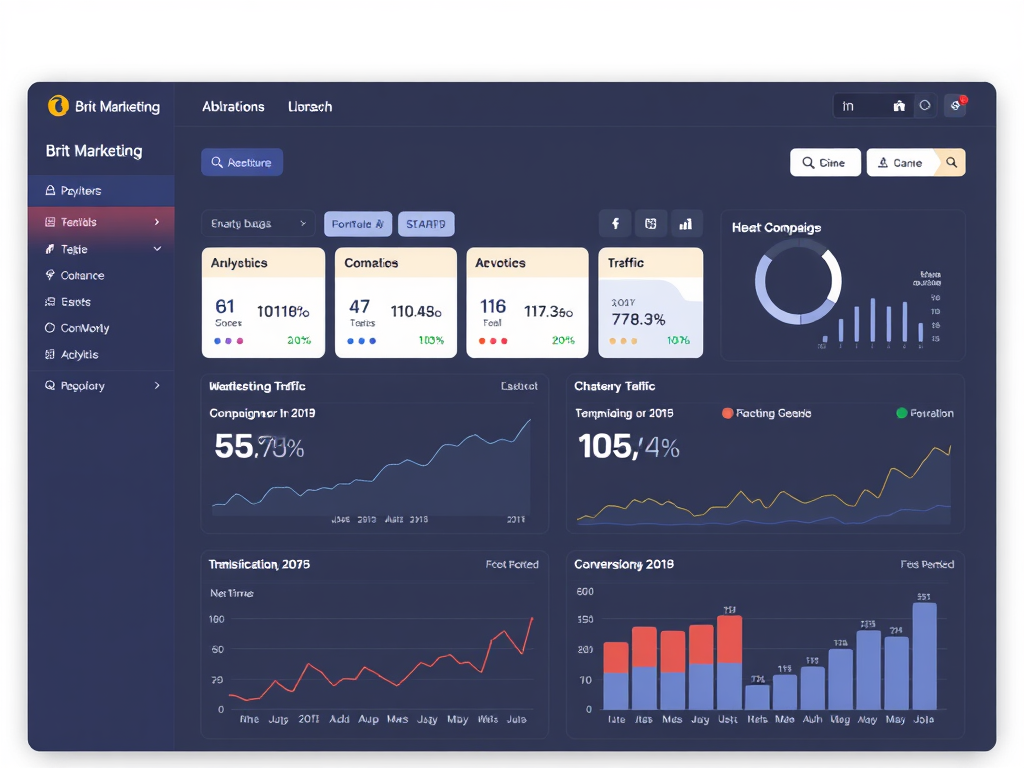
Alt text: Flowchart diagram showing how a digital marketing management platform connects with various marketing channels including email, social media, PPC, and analytics tools
Caption: Visual representation of platform integration capabilities, demonstrating how multiple marketing channels and tools connect through a centralized management system
The digital marketing landscape demands sophisticated management solutions that can handle the complexity of modern multi-channel campaigns while delivering measurable results. A well-chosen Digital Marketing Management Platform serves as the foundation for marketing success, enabling businesses to coordinate efforts, optimize performance, and achieve sustainable growth in an increasingly competitive marketplace.
Brit Marketing combines deep platform expertise with proven paid media marketing services and comprehensive PPC services to deliver exceptional results for UK businesses. Our integrated approach ensures clients maximize their marketing technology investments while achieving their growth objectives. Ready to transform your digital marketing operations with a comprehensive management platform? Contact Brit Marketing today to discover how our expertise can help you select, implement, and optimize the perfect platform for your business needs, driving measurable results and sustainable growth in today’s competitive digital landscape.
Frequently Asked Questions – Digital Marketing Management Platform
1. What is a Digital Marketing Management Platform?
A Digital Marketing Management Platform is an integrated tool or software solution that helps businesses plan, execute, monitor, and analyze their digital marketing campaigns across various online channels such as social media, email, SEO, and paid advertising—all in one place.
—
2. What are the key features of a Digital Marketing Management Platform?
Most platforms offer features such as campaign planning and scheduling, multi-channel publishing, performance analytics, audience segmentation, automation tools, reporting dashboards, and integration with CRM or other marketing tools.
—
3. How does a Digital Marketing Management Platform benefit my business?
It centralizes all your digital marketing activities, making it easier to manage campaigns, track results, optimize strategies, and improve ROI. It also saves time by automating tasks and provides data-driven insights to enhance campaign performance.
—
4. Can I integrate a Digital Marketing Management Platform with other tools?
Yes, most platforms support integration with third-party tools such as CRM systems, email marketing software, analytics platforms (like Google Analytics), and social media channels, providing a seamless workflow and unified view of your marketing ecosystem.
—
5. Is a Digital Marketing Management Platform suitable for small businesses?
Absolutely! Many platforms offer scalable solutions and pricing plans to fit businesses of all sizes. Small businesses can benefit greatly from streamlined processes, better visibility into campaign performance, and the ability to compete more effectively with larger organizations.
—


